Understanding the UAE’s MEP Code Requirements
Introduction
Every successful construction or renovation project in the UAE depends on more than just great design; it must meet strict MEP code requirements. These codes ensure buildings are safe, efficient, and aligned with regional and international standards.
At Noqtat Al Nada, we work daily with these codes while delivering MEP services across residential, commercial, and governmental projects. In this article, we’ll explain the key MEP code requirements in the UAE, why they matter, and how non-compliance can cost you.
What Are MEP Codes?
MEP codes are sets of standards and regulations that govern the design, installation, and maintenance of:
- Mechanical systems (like HVAC and ventilation)
- Electrical systems (like lighting and power distribution)
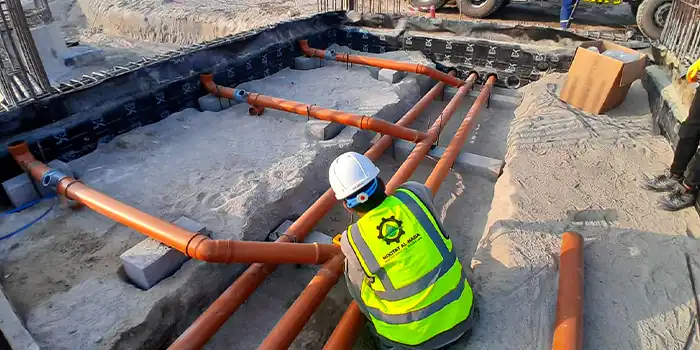
- Plumbing systems (like water supply and drainage)
- Fire safety systems (like alarms and suppression)
In the UAE, these codes are enforced by local municipalities, civil defense departments, and authorities such as:
- Abu Dhabi Department of Energy (DoE)
- Dubai Municipality
- Abu Dhabi & Dubai Civil Defense
- Estidama / LEED requirements (for sustainability)
Why Compliance Matters
✅ Safety First – Incorrect installations can cause fire hazards, water damage, or system failure. Codes help prevent that.
✅ Project Approvals – Non-compliant MEP systems delay approvals from authorities, inspections, and handovers.
✅ Operational Efficiency – Systems designed to code use less energy and last longer.
✅ Legal Accountability – Violating MEP codes can result in fines, shutdowns, or loss of reputation.
Key MEP Code Requirements in the UAE
Here are some critical areas every building project must address:
🔧 Mechanical (HVAC)
- Proper air exchange and ventilation rates
- Insulation thickness and duct design
- Use of approved refrigerants and piping materials
- Compliance with ASHRAE standards and Estidama/LEED energy efficiency targets
💡 Electrical
- Correct cable sizing and load distribution
- Earthing and grounding systems
- DB (distribution board) labeling and segregation
- Emergency lighting and central battery systems for life safety
- Compliance with DEWA, ADDC, and relevant utility standards
🚿 Plumbing
- Use of corrosion-resistant piping and approved fixtures
- Hot water system safety (including pressure relief valves)
- Drainage slope, traps, and backflow prevention
- Grey water reuse and water-saving design (per Estidama)
🔥 Fire Safety
- Fire alarm zones and detection coverage
- Sprinkler design based on occupancy classification
- Fire pump room layout and pressure testing
- Civil Defense-compliant systems with proper commissioning reports
Common Pitfalls in Non-Compliant Projects
- Using uncertified materials or outdated specs
- Incorrect duct routing or pipe slopes
- Overloaded electrical circuits
- Missing fire-stopping or smoke detectors
- Incomplete authority documentation
These issues lead to rework, delays, and fines, all avoidable with the right MEP partner.
How Noqtat Al Nada Ensures Compliance
✅ All our designs are reviewed by licensed UAE engineers
✅ We follow authority guidelines and submit drawings for pre-approvals
✅ Our team is trained in municipality, DEWA, ADDC, and Civil Defense protocols
✅ We provide full as-built drawings, compliance checklists, and O&M manuals
Whether it’s a villa fit-out or a commercial tower, our job is to get it right the first time, safely, legally, and efficiently.
Final Thoughts
Understanding MEP codes in the UAE isn’t optional; it’s essential. Working with a certified contractor like Noqtat Al Nada means your project moves forward without surprises, failures, or delays.
Need help reviewing your current design?
📩 Contact us today for a code-compliance check or a detailed MEP proposal.

Related Posts
How to Prepare MEP Systems for Summer in the UAE